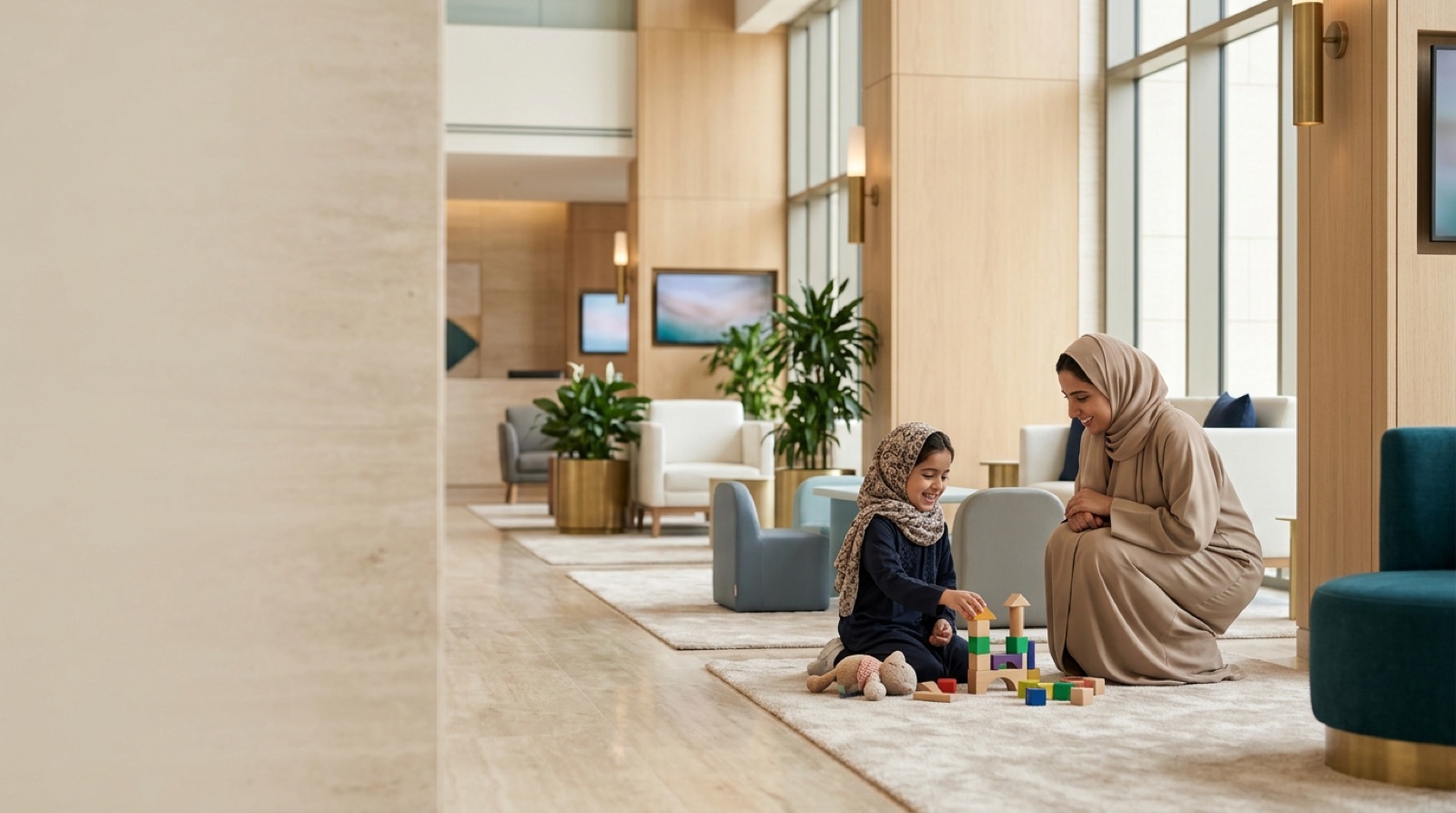
Paediatric Orthopaedics
Paediatric Orthopaedics
Children’s bones, joints, and muscles are different from adults — they are still growing, and treatment must account for skeletal development. An injury that is straightforward in an adult may need different management in a child.
For Parents
Symptoms to Watch For
- Limping that lasts more than a few days, or refusal to walk or bear weight
- Visible curvature of the spine, or one shoulder or hip higher than the other
- Pain that wakes your child at night
- Swelling, warmth, or redness in a joint
- Clumsiness or frequent falling, or one leg appearing shorter than the other
- Pain that worsens with activity and does not improve with rest
Why It’s Different
Growth Plates: Why They Matter
Growth plates are areas of developing cartilage near the ends of bones. They determine bone length and shape, and injuries to them can affect how the bone grows.
Fractures that involve the growth plate need careful treatment to minimise the risk of growth disturbance. Some growth-plate injuries require surgery to restore alignment.
What We Treat
Conditions We Treat
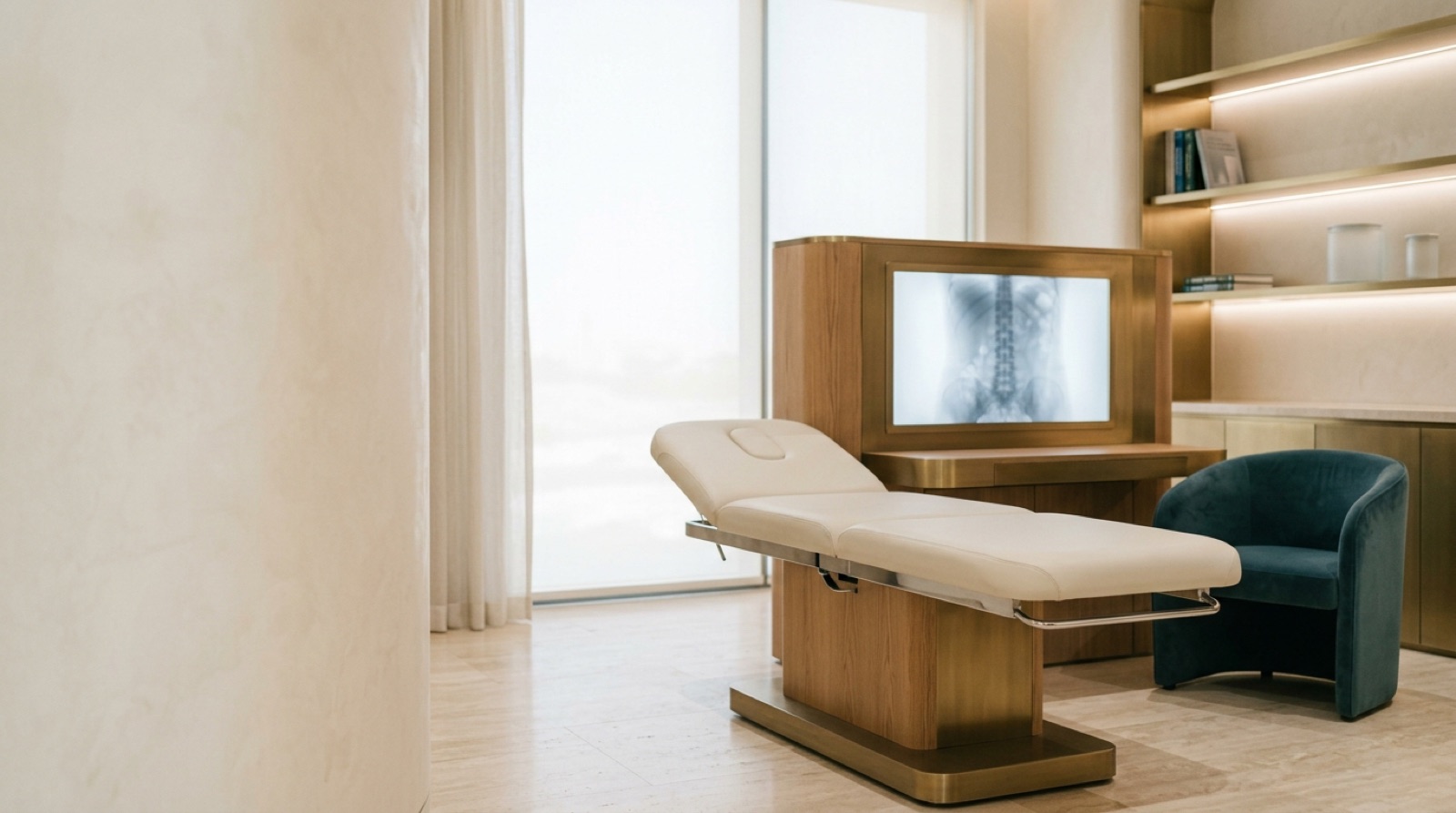
Scoliosis
Sideways curvature of the spine that may progress during growth — from observation to bracing to surgery.
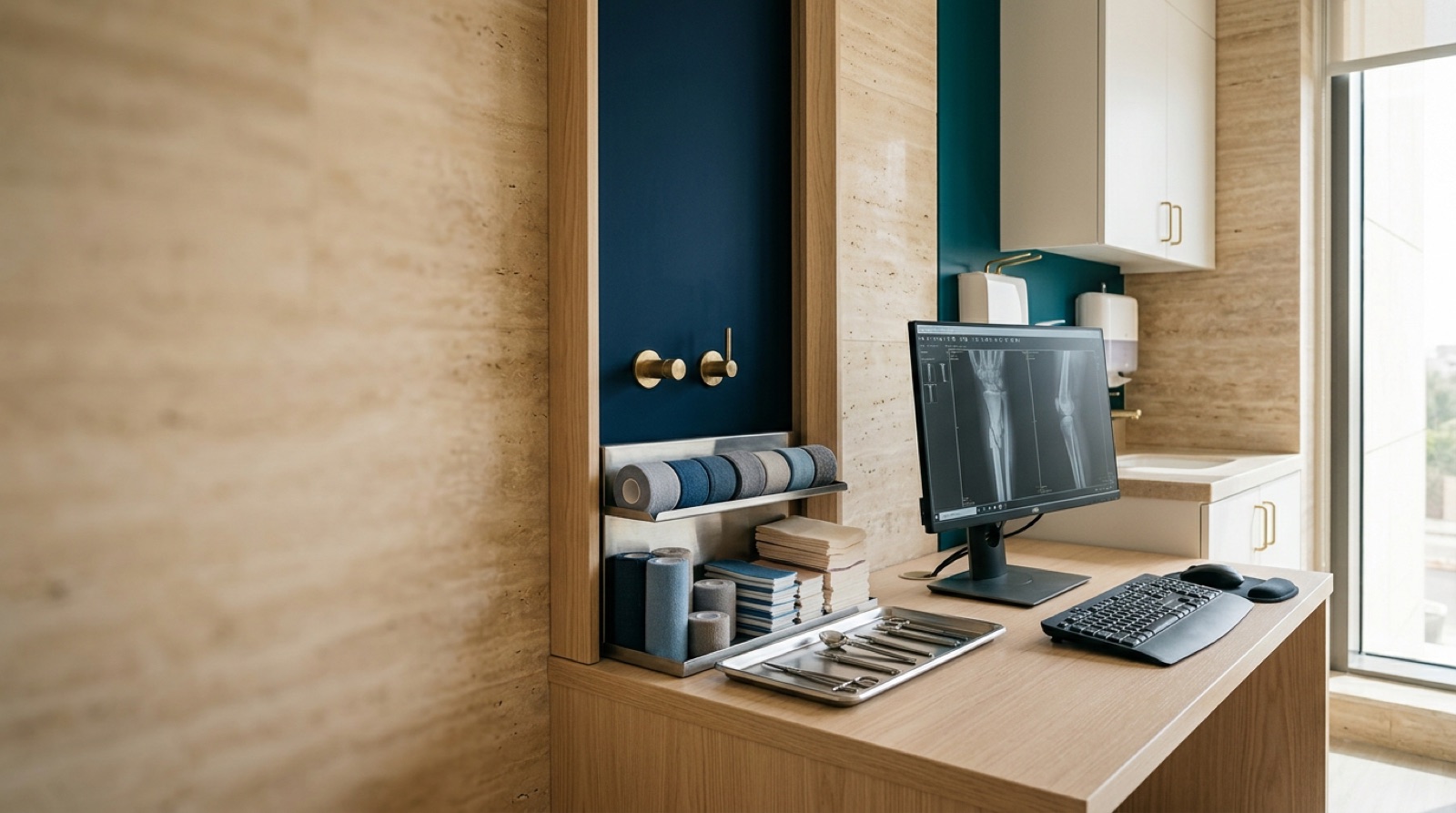
Paediatric Fractures
Broken bones in children, including growth-plate injuries that need careful management.
Other Conditions
- Developmental dysplasia of the hip (DDH)
- Clubfoot (Ponseti casting)
- Limb length discrepancy
- Bow legs, knock knees, in-toeing & out-toeing
Treatment · Step One
Non-Surgical Options
- Observation — many conditions improve as the skeleton matures.
- Bracing — spinal braces for scoliosis, harnesses for hip dysplasia, orthotics for foot conditions.
- Casting — for fractures and congenital conditions such as clubfoot.
- Physiotherapy — exercises to improve strength, flexibility, and coordination.
- Shoe modifications — lifts or inserts for mild leg-length differences.
Treatment · When Needed
When Surgery May Be Needed
Surgical decisions in children require careful consideration of growth potential and long-term outcomes. Families receive detailed explanations before any procedure is recommended.
- Progressive scoliosis that does not respond to bracing
- Hip dysplasia that requires surgical correction
- Complex fractures or growth-plate injuries
- Limb-length discrepancy exceeding 2 cm and expected to worsen
- Conditions causing significant functional impairment
Care for Growing Bones
Children are not small adults —
their care is shaped around how they grow.
Red Flags
Seek Emergency Care
Take your child to an emergency department if there is:
- Severe pain after a fall or injury, or visible deformity of a limb
- Inability to move a limb or bear weight
- Fever with joint pain, swelling, or redness (possible infection)
- Limping with no known injury that gets worse or does not improve
- Night pain that wakes your child repeatedly
Joint infections in children can progress quickly. Unexplained fever with limping needs urgent evaluation.
Get Started
Concerned About Your Child?
If your child has a bone, joint, or muscle concern, call +966 50 580 8852 to schedule an evaluation.
Continue Exploring
Our Services
The full range of orthopaedic care — spine, joints, trauma, sports, and more.
About the Professor
Training, fellowships, and the experience behind your child’s care.